weddings · planning
Why Weddings Run Behind Schedule (and How to Plan for It)
Weddings run behind for two predictable reasons: dinner service takes longer than the timeline assumes, and couples spend more time with their photographer than they planned. Almost every other delay traces back to one of those two. The good news is that both are foreseeable, which means a timeline built with margin in the right places absorbs them without anyone noticing.
Most couples worry about the wrong things. They worry a vendor will be late, or a speech will run long, or the cake will show up at the wrong moment. Those happen occasionally. The two below happen at most weddings.
Why does dinner service push the timeline back?
Dinner runs long because clearing and plating a room full of guests takes more time than a schedule usually allows for. It is not one delay, it is a series of small ones that stack.
Think about what has to happen between courses. Servers clear salad plates from every table. The kitchen fires the main course. Plates travel from the kitchen to the tables. Now multiply that by a hundred and fifty guests and consider two variables that nobody puts on a timeline: how many staff the caterer actually brought that night, and how far the kitchen is from the dining space. A venue where the kitchen opens onto the room runs very differently from one where staff cross a courtyard with every tray.
None of that is a failure. It is just physics, and it is why a fifteen minute buffer around dinner is worth more than a fifteen minute buffer anywhere else in the evening.
Why do wedding photos always take longer than planned?
Photos run long because the light is beautiful exactly once, and no one wants to leave it early. Your photographer knows the sun is about to set, you are already dressed and in the right place, and everyone can feel that these are the images you will hang on a wall. Nobody in that moment says "we should hurry back for the salad course."
Travel is the hidden multiplier. If your photo locations are spread across a property, or worse, across town, the time between shots is time nobody budgeted. A ten minute drive each way turns a thirty minute photo block into an hour without a single extra photo being taken.
How much buffer should a wedding timeline have?
Enough that the two things above can happen without collapsing the rest of the night. In practice that means padding around dinner service and around any photo block that involves travel, rather than spreading small buffers evenly across the whole day.
It also means deciding in advance what gives. If dinner runs twenty minutes long, does the dance floor open twenty minutes later, or does something else compress? Answering that question before the wedding is what separates a timeline that bends from one that breaks.
Who keeps the wedding timeline on track?
Whoever is on the microphone. The DJ and MC sees the room in real time: whether plates are cleared, whether the photographer is back, whether the energy is ready for the next moment. A good one is adjusting quietly all night, moving a moment up or holding it back so the evening still feels smooth even when the clock has slipped.
That is the part couples rarely see. The timeline on paper is a plan. What your guests experience is the version that got adjusted in the moment, and they should never be able to tell the difference.
---
Planning a wedding and want to see how this works in practice? See how DJ MOJOE approaches a wedding day.
Follow along
Real weddings on Instagram
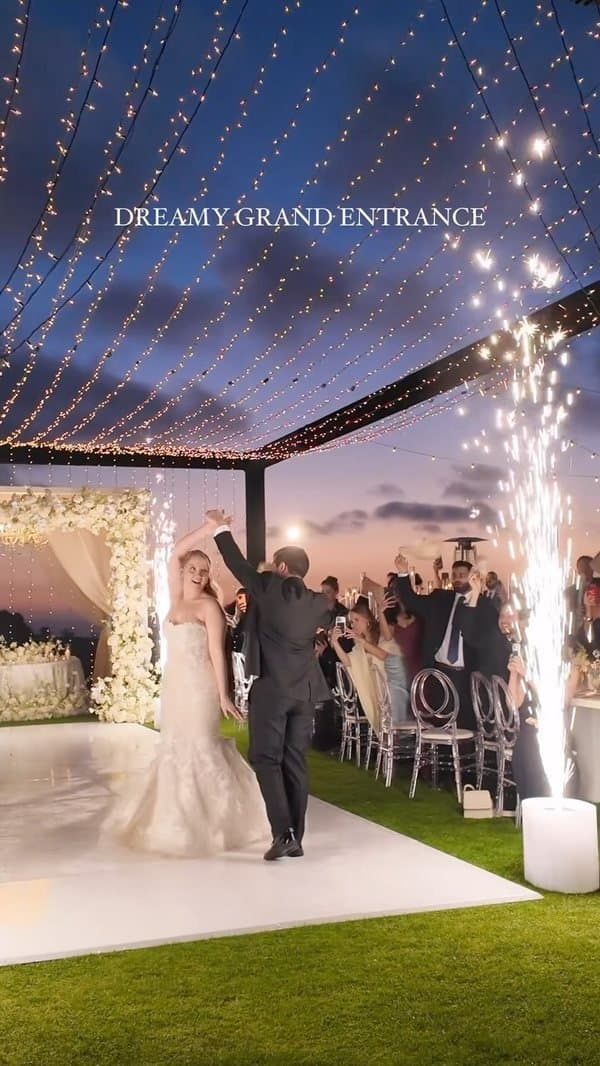 Grand entranceThe Lodge at Torrey Pines
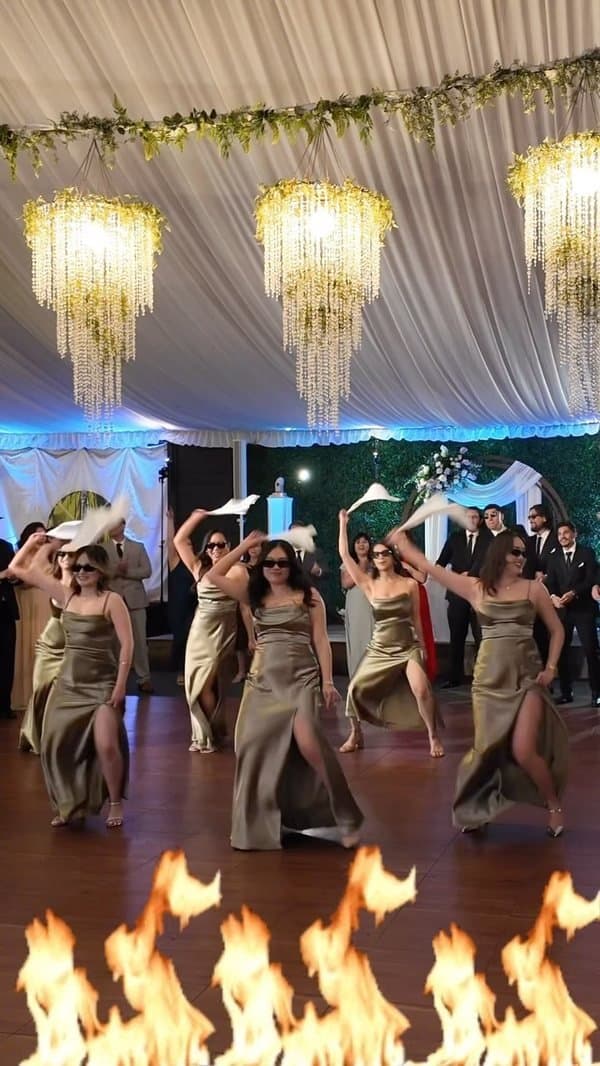 BridesmaidsBringing the house down
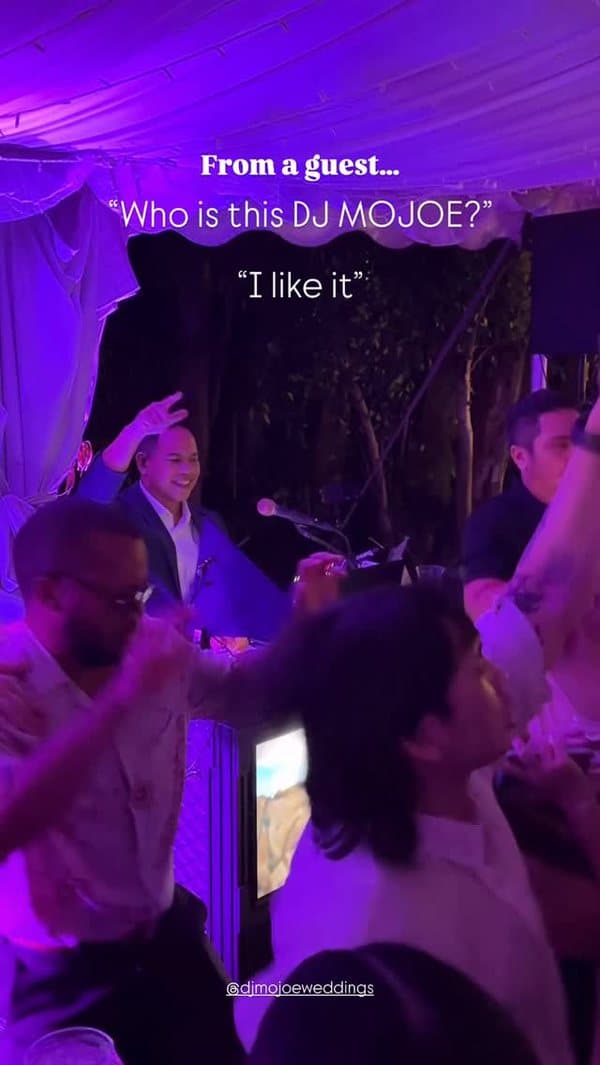 Deep in the dance setTwin Oaks
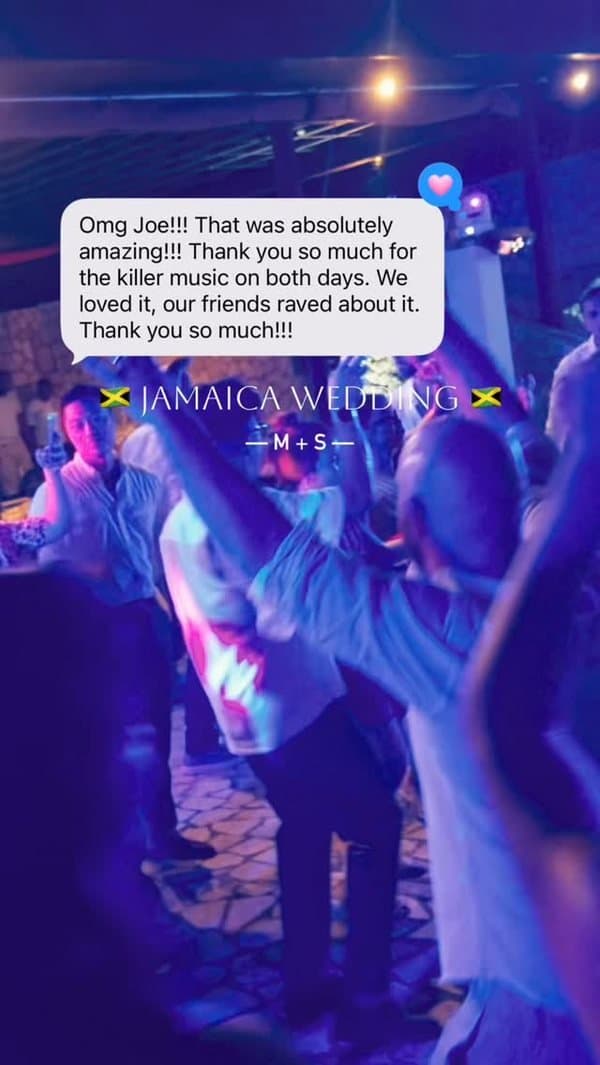 JamaicaDestination wedding
New every week: @dj_mojoe