weddings · planning
Do You Need an MC for Your Wedding? Here's Why
Yes. If you want your reception to run smoothly and feel intentional from one moment to the next, you need someone dedicated to leading it, and that's the MC's job. Without one, key moments get missed, transitions turn awkward, and guests are left guessing what happens next.
A lot of couples budget for a DJ and assume the MC part comes along for free, as an afterthought squeezed between songs. It doesn't work that way. Here's what an MC does, and why it matters more than most couples expect going in.
What does a wedding MC do?
A wedding MC runs the room: they set the tone at the top of the night, call key moments at the right time, and keep the evening moving so nothing feels rushed or forgotten. That's a different skill than playing music, even though the same person often handles both.
Think about the number of moving parts in a single reception: grand entrance, first dance, toasts, dinner service, cake cutting, bouquet toss, last dance. Someone has to know the order, read the room's energy, and decide when it's time to move to the next thing. Left alone, even a great catering team and a great DJ can't fully cover that job, because it's not their job. It's the MC's.
Why do guests need someone leading the night?
Guests need a leader because a room full of people who don't know each other won't organize themselves. Picture a reception with family from both sides, some of whom haven't seen each other in years, some of whom have never met. They came to celebrate, but nobody in that room knows what's happening next unless someone tells them.
A skilled MC directs attention at the moments that matter, sets expectations early so people know how the night will unfold, and builds an environment where guests feel comfortable enough to let loose. When that leadership is missing, you get the moments every couple dreads: the room that doesn't know it's time to sit down for dinner, the toast nobody quiet enough to hear, the dance floor that never quite fills because no one gave it permission to.
What happens at a wedding without a strong MC?
Without a strong MC, you get dead air, missed transitions, and guests who spend the reception unsure of what's expected of them. Dead air is the silent killer of a wedding reception: the gap between the ceremony ending and cocktail hour starting, the pause after dinner before dancing begins, the moment right after the first dance when nobody knows if it's time to sit or stand. Every one of those gaps is an opportunity for energy to drop, and once it drops, it's work to bring back.
A wedding without MC leadership can still have great music and a beautiful venue and still feel unfinished, because the connective tissue between moments is missing. Guests remember how an evening felt, not just what was on the timeline.
Does an MC do more than make announcements?
Yes. A good MC brings people together, not just informs them. Weddings put a wide range of people in one room: different ages, different sides of the family, people who see each other constantly and people who are near strangers. An MC's job includes acknowledging that shared moment and giving everyone a reason to feel part of it together, not just present for it.
That's part of why couples hire an MC instead of hoping the room figures itself out. A microphone in the wrong hands creates distance. A microphone in the right hands creates connection, whether that's a genuine welcome at the top of the night or a well-timed moment that gets both sides of the family cheering for the same thing at once.
Why does clear communication matter so much on a wedding day?
Clear communication matters because a wedding has more moving parts than any other event you'll host, and everyone involved, from your catering team to your photographer to your guests, needs to know what's happening and when. The MC is the person translating your vision into real-time direction for the room.
That means relaying the right information at the right moment: guiding guests to their seats, cueing the wedding party, letting the room know when it's time for toasts or dancing. Get that wrong and the day feels disjointed no matter how well everything else was planned. Get it right and your guests never notice the work behind it, they just feel like the night flowed.
FAQ
Can my DJ just handle the MC duties too?
Often, yes, and that's exactly how DJ MOJOE builds the Signature Wedding Experience: one person handling music and hosting so the two never work against each other. What matters isn't whether it's the same person or two people, it's whether whoever holds the mic has real MC experience, not just a playlist and a microphone.
Do we still need an MC if we're keeping our wedding small and casual?
Smaller and more casual weddings still have a timeline: toasts, a first dance, dinner, maybe a send-off. Someone still has to call those moments so they land instead of getting missed. The MC's role scales down with the wedding, it doesn't disappear.
What's the difference between a DJ who can talk on the mic and an actual MC?
A DJ who can talk on the mic can make an announcement. An MC reads the room, manages the pacing of the entire night, and adjusts on the fly when the timeline shifts, which it usually does. That's a different skill set built from experience running full receptions, not just playing songs between them.
How early should we plan for MC coverage?
As early as you're booking your DJ or entertainment. It's much easier to build the reception timeline around a dedicated MC from the start than to bolt one on after every other vendor is locked in.
Check your date to see if DJ MOJOE is available for your wedding.
Follow along
Real weddings on Instagram
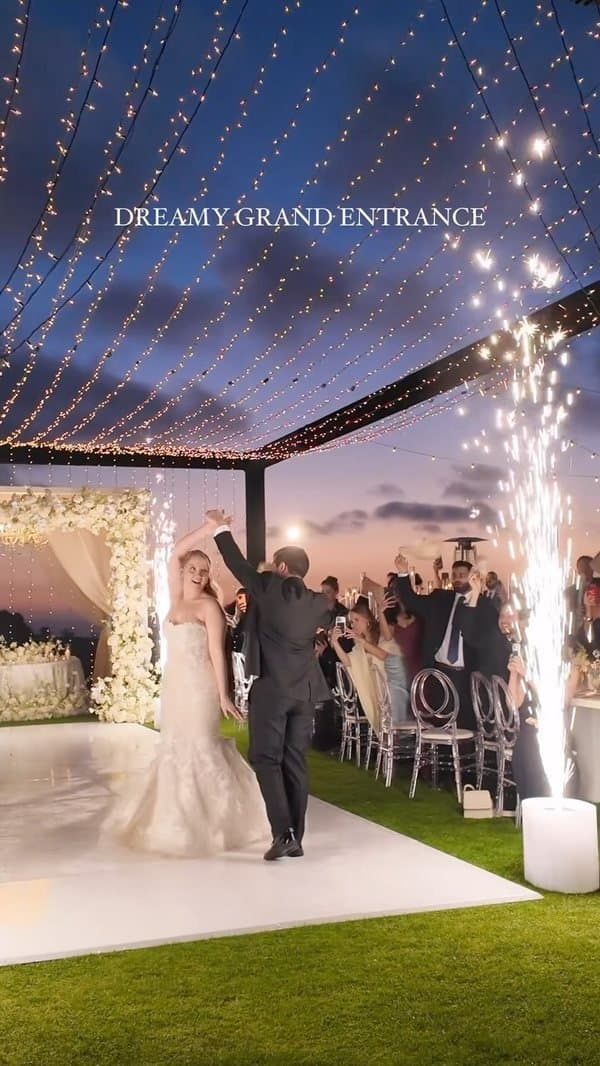 Grand entranceThe Lodge at Torrey Pines
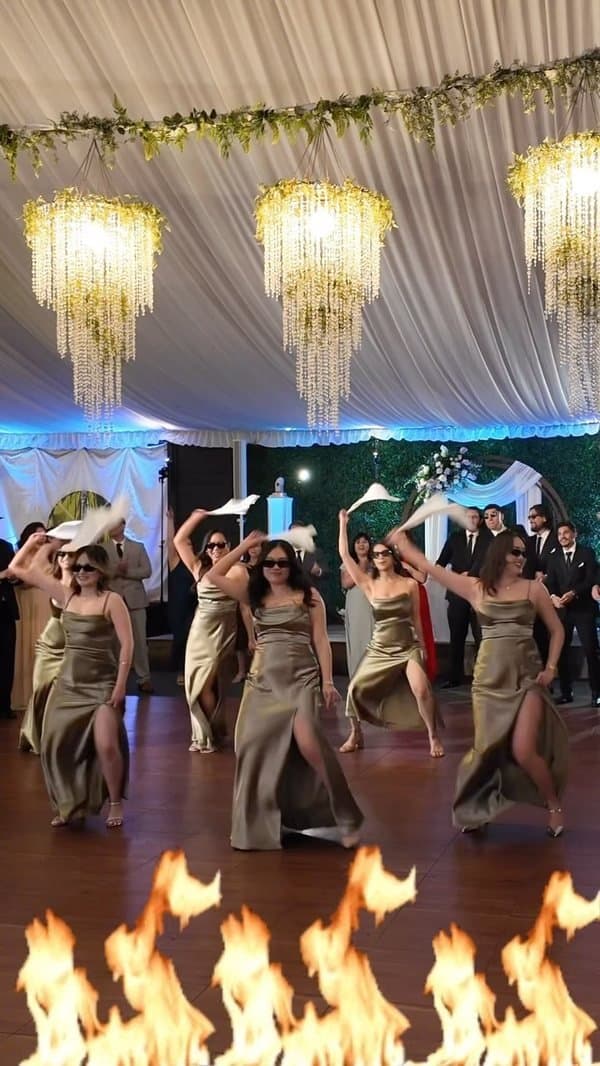 BridesmaidsBringing the house down
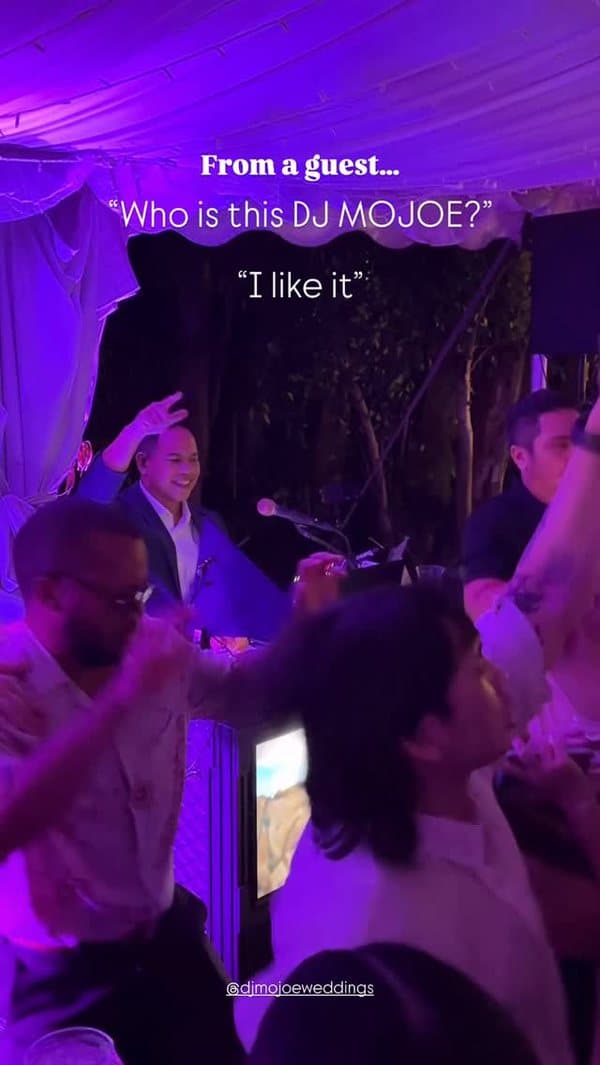 Deep in the dance setTwin Oaks
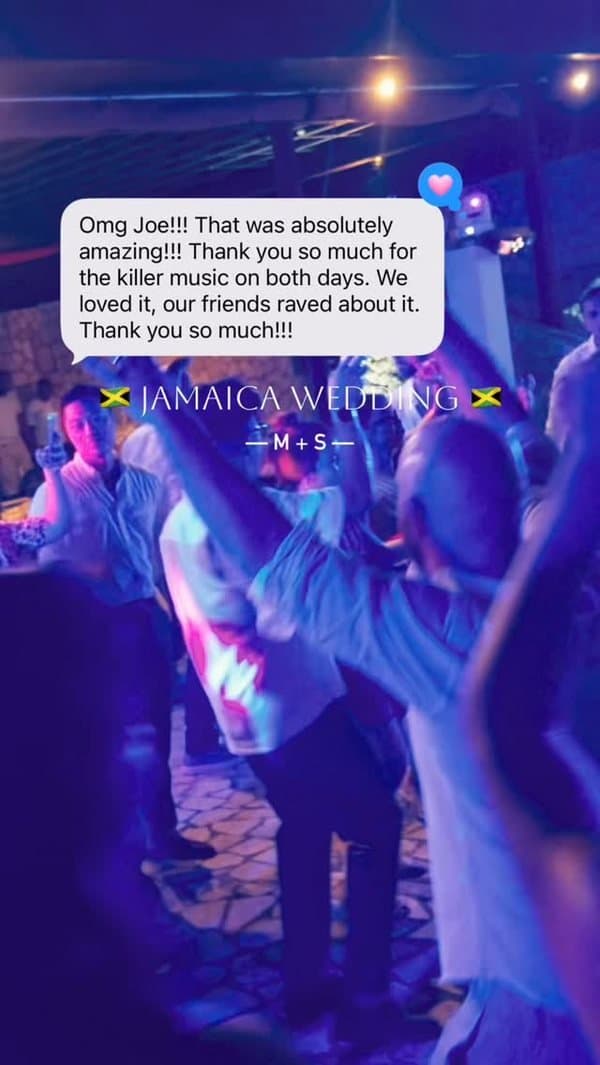 JamaicaDestination wedding
New every week: @dj_mojoe