weddings · planning · music
What a Wedding DJ Actually Plays for 7 Hours: 194 Songs
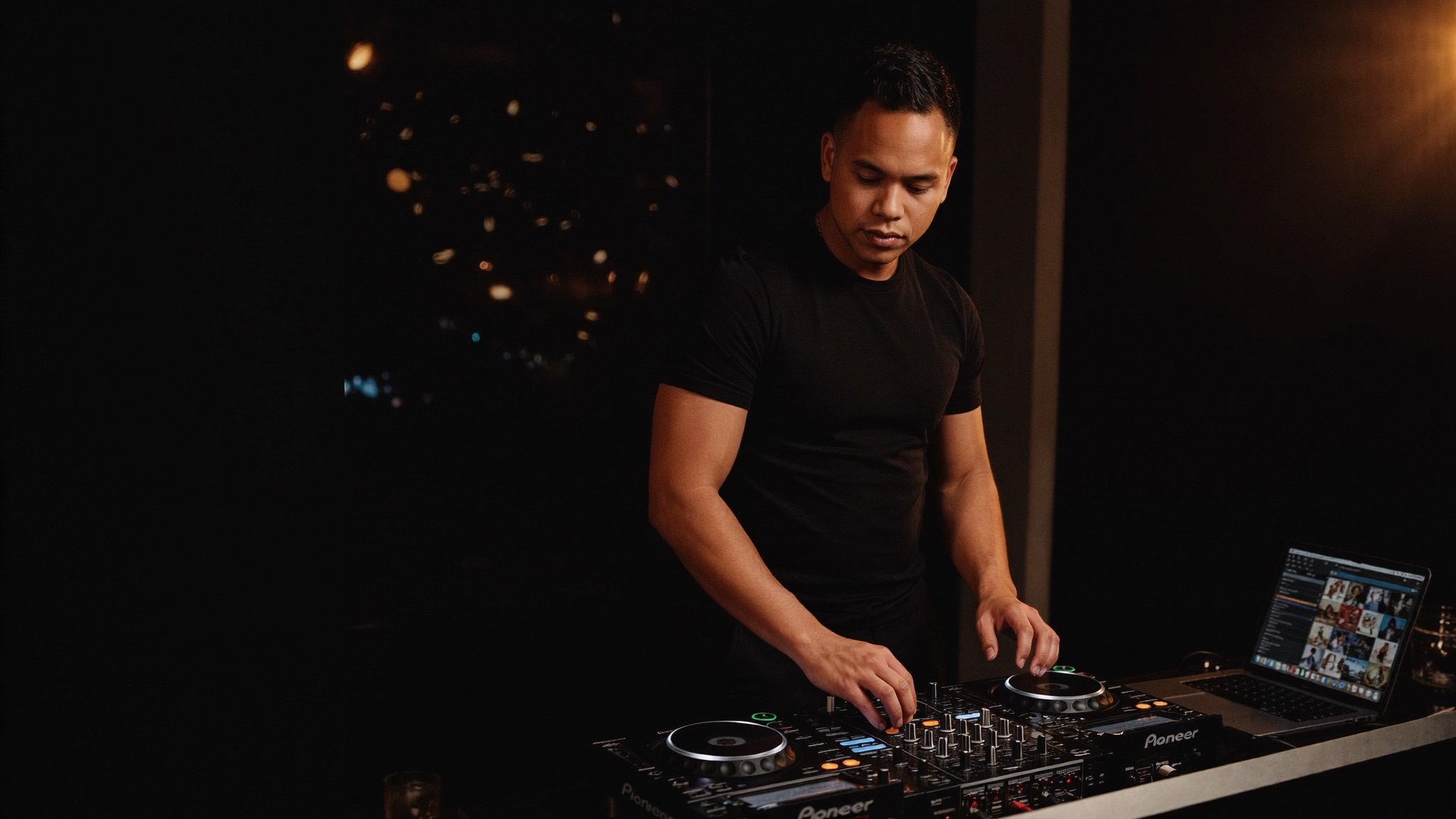
A while back I DJed a wedding celebration in San Diego that ran from 7:00 PM to 2:00 AM. Seven hours, one room, one dance floor. When the night ended, I checked the playlist history: 194 songs.
I broke down the entire set, in order, in a video. If you'd rather watch than read, it's here:
This post is the couples' version: what all that music was actually doing, hour by hour, and what it tells you about the person you're hiring.
How many songs does a 7-hour wedding night take?
At this one, 194. And the distribution surprises people: the two-hour cocktail hour alone took 56 songs. Nobody was dancing yet. That's the point. Cocktail music isn't background noise; it's the first read on your guests, and it moves fast because no song needs to run front to back.
That math also tells you something about how a DJ works. 194 songs in seven hours is roughly a song every two minutes, which means most songs aren't played in full. They're blended, trimmed, and layered so the room gets the best stretch of everything and the energy never sags waiting for an outro.
What plays during cocktail hour?
Familiar songs, often in versions you haven't heard: reworks of MGMT, Sade, Robyn, Fleetwood Mac. Recognition without repetition. Guests are arriving, catching up, deciding how they feel about the night. The music's job is to tell them it's going to be a good one.
This couple also sent me some of their own cocktail-hour picks, and I built around them. That mix, your taste woven into my library, is exactly how the planning process should work. I wrote more about that in how a wedding DJ chooses the music.
Dinner music is a preview, not a pause
Once plates were full, I pulled the tempo down and leaned on singalongs: songs people mouth the words to between bites. And I slipped in slower versions of songs I planned to play at full energy later. Guests don't consciously notice, but the night gets a through-line, and when the dance version lands at midnight, the room already knows the words.
When does the dance floor actually open?
After the group photo. One song for everyone to gather, then straight into the opener with no ramp-up apology. From there the night moved in chapters: 2000s and 90s throwbacks for a couple in their early thirties, a Latin and reggaeton run, hip-hop mashups, a rock singalong stretch, a house set, and a proper peak hour.
Chapters matter more than any single song. A packed floor comes from the order the styles arrive in, and from knowing when a room needs a reset before it needs another banger.
What happens when guests make requests?
They got played, at the right moment. Someone wanted Fisher, and a few songs later the drop hit at a spot where it belonged. The couple's guests from LA got their own hometown moment. A run of Bad Bunny requests turned into a full Latin set because the floor said yes.
Requests aren't interruptions. They're information about who's in the room. The skill is placement: the same song lands completely differently depending on what it follows.
The one-more-song test
The last planned song ended just before 2:00 AM, seven hours in, and the room chanted for one more. The encore was ready, because a good DJ plans for the night going right.
That's the test I'd hold any DJ to, including me: after seven hours, do people want it to end, or do they want one more?
What this means for your wedding
You're not hiring 194 songs. You're hiring 194 decisions: what plays, in what version, in what order, for your specific room. A playlist can't make those calls at 11:40 PM. A person reading your dance floor can.
If you're comparing DJs, ask them to walk you through a real night like this. The ones who can, in detail, are the ones who were actually making decisions.
And if you're planning a wedding in Southern California and want your night built this way, see how I run a wedding day.
Follow along
Real weddings on Instagram
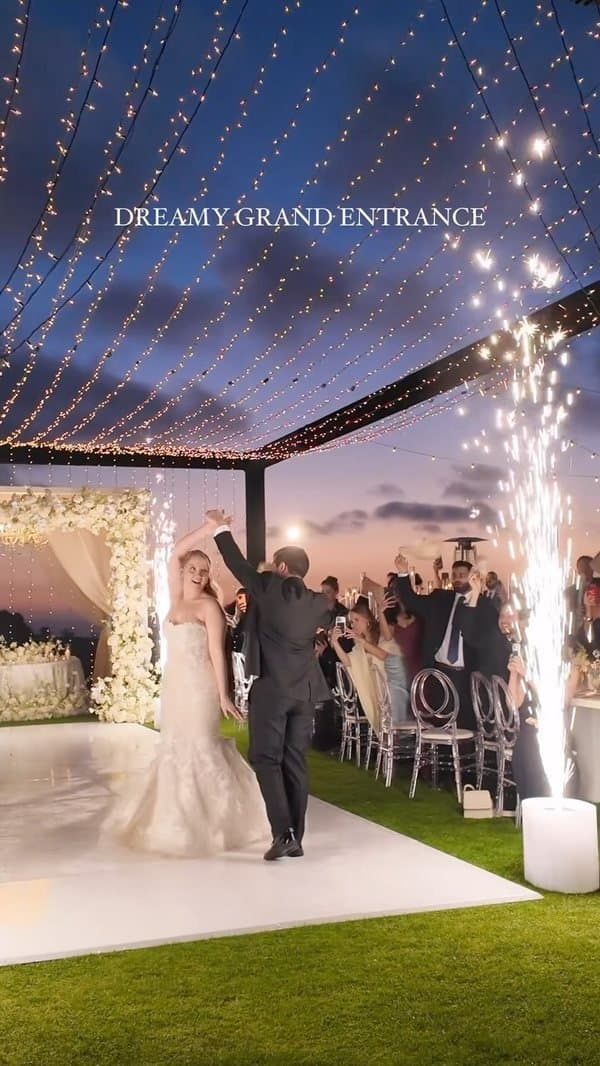 Grand entranceThe Lodge at Torrey Pines
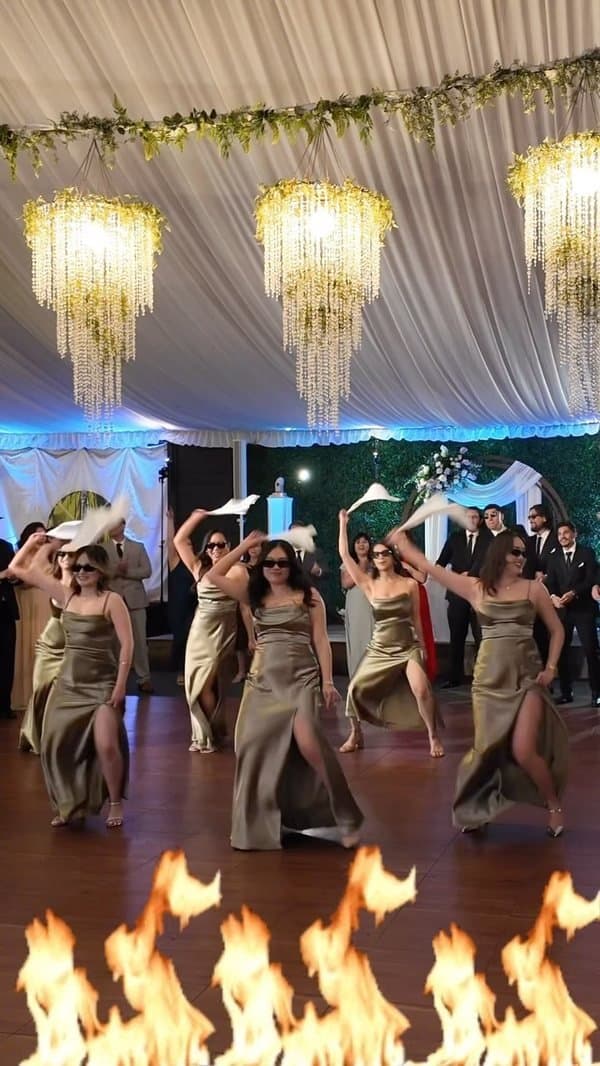 BridesmaidsBringing the house down
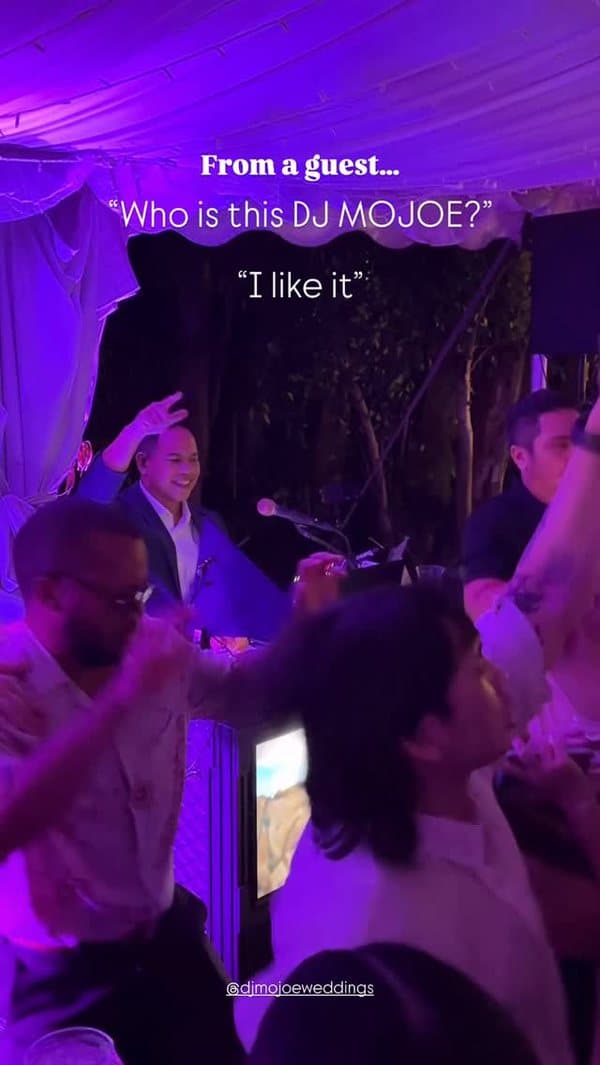 Deep in the dance setTwin Oaks
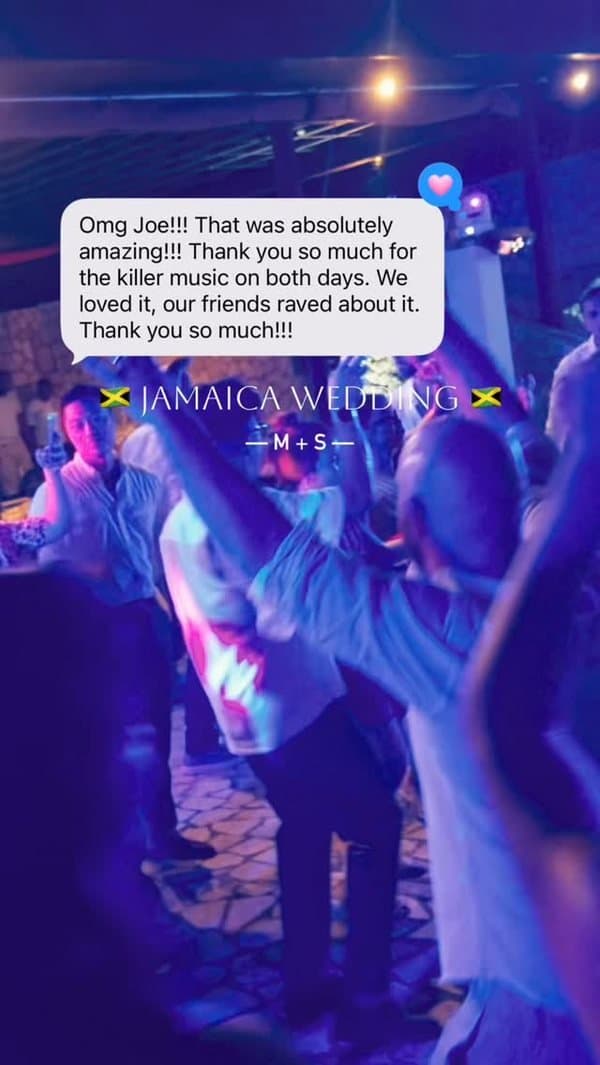 JamaicaDestination wedding
New every week: @dj_mojoe